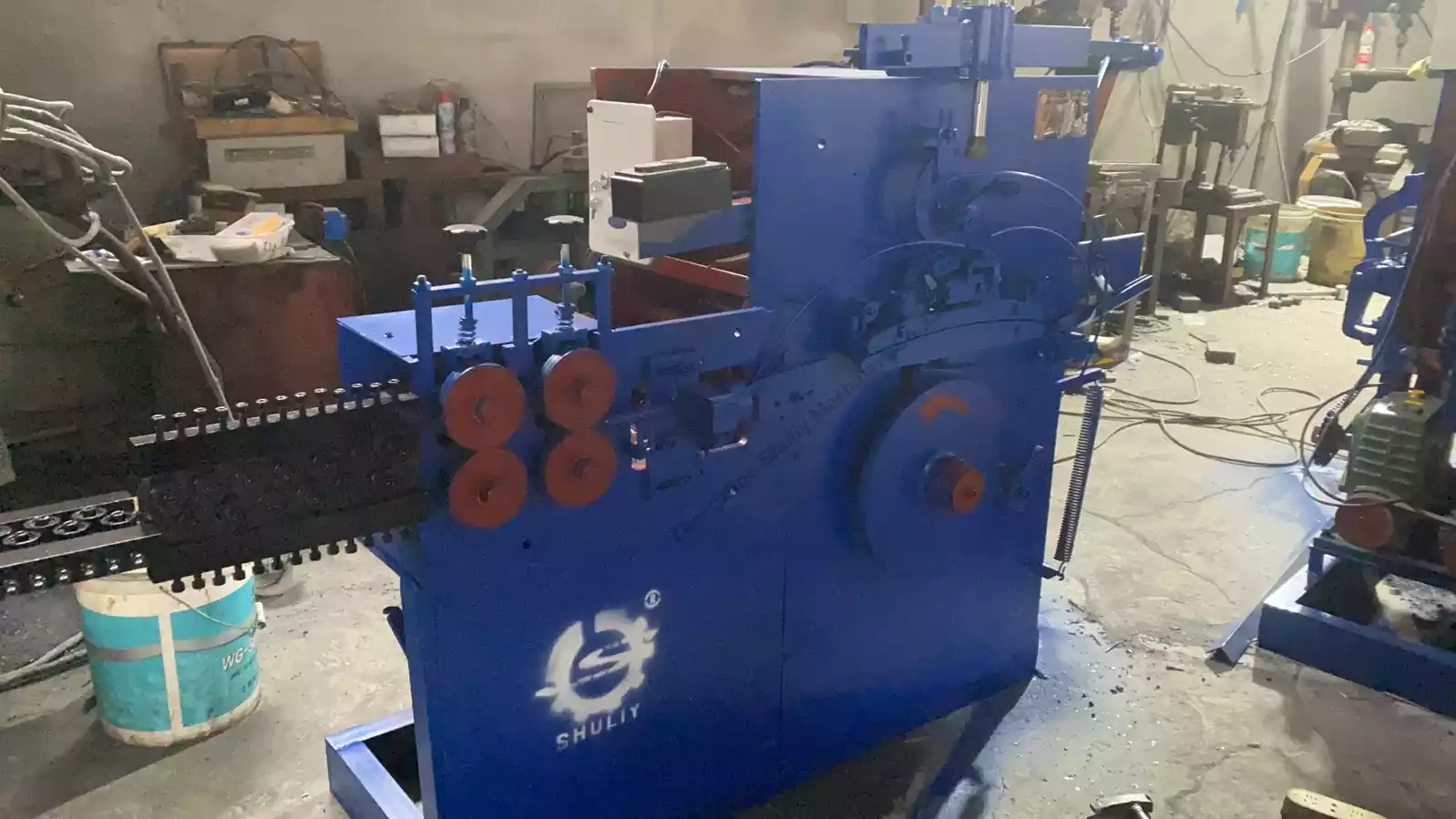
Is Butterfly Hanger Manufacturing a Profitable Business?
As the global garment industry continues to expand, the demand for affordable, durable, and space-saving clothes hangers remains strong. Among the various types of wire hangers, butterfly hangers have become increasingly popular because of their unique design, lightweight structure, and low production cost.
For entrepreneurs and existing hanger manufacturers, a common question is: Is butterfly hanger manufacturing a profitable business?
The answer largely depends on market demand, production efficiency, and the right manufacturing equipment.
Why Is the Demand for Butterfly Hangers Growing?
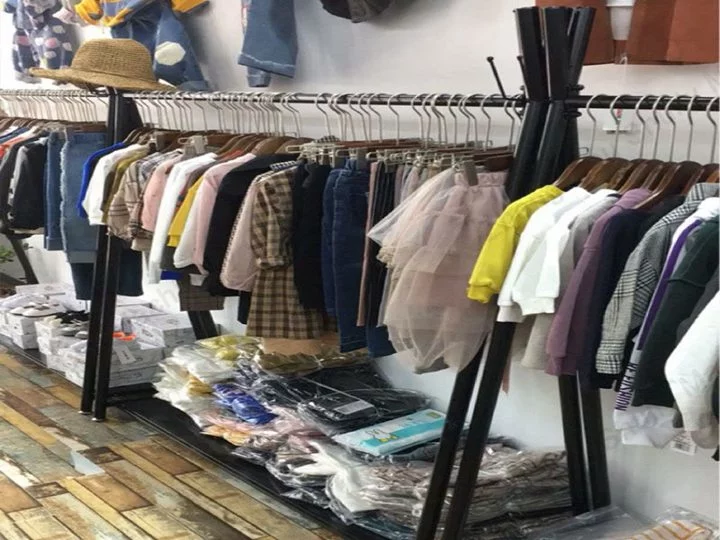
Butterfly hangers are widely used by:
- Bekleidungsfabriken
- Clothing retailers
- Dry-cleaning shops
- Hotels and laundries
- Wholesale packaging suppliers
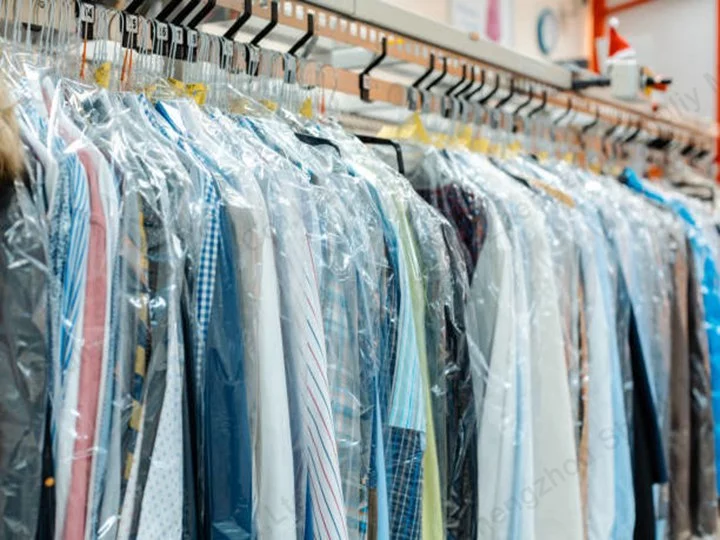
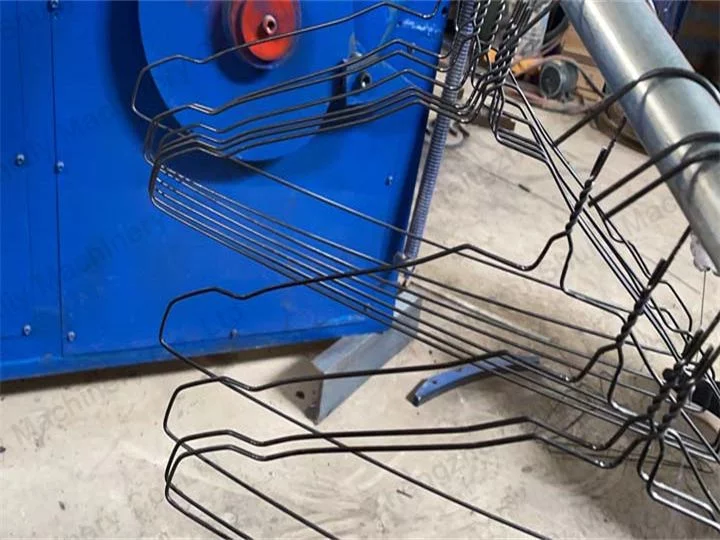
Compared with traditional wire hangers, butterfly hangers are designed to better support lightweight clothing while using less wire material. Their simple structure also makes them easy to stack, transport, and store, helping reduce logistics costs.
As apparel production increases around the world, the demand for economical hangers continues to grow alongside it.
Low Raw Material Costs Help Improve Profit Margins
One of the biggest advantages of butterfly hanger manufacturing is the relatively low cost of raw materials.
Most butterfly hangers are produced from galvanized steel wire, which is durable, affordable, and widely available. Because the design uses wire efficiently, manufacturers can often reduce material consumption while maintaining product strength.
For factories producing large volumes, even small material savings can significantly improve long-term profitability.
Automation Makes Large-Scale Production More Efficient
In the past, hanger production relied heavily on manual bending, resulting in inconsistent quality and limited output.
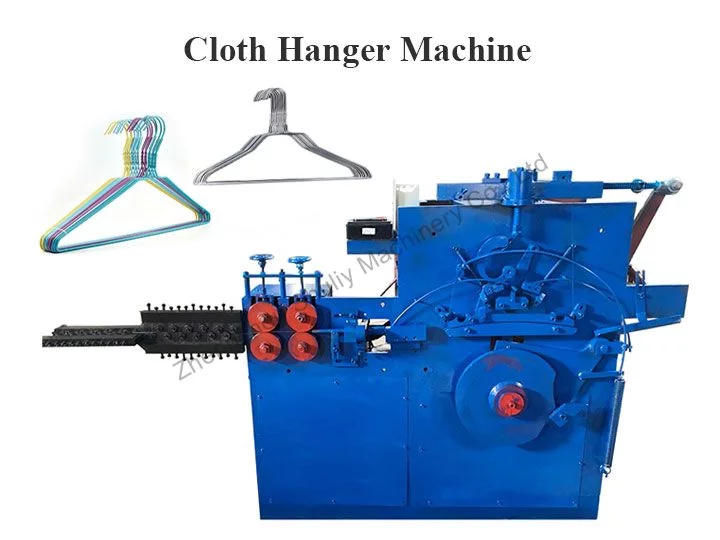
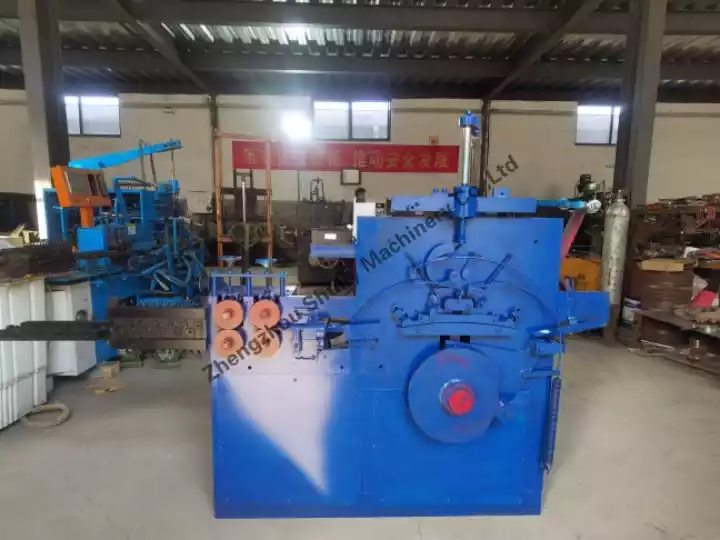
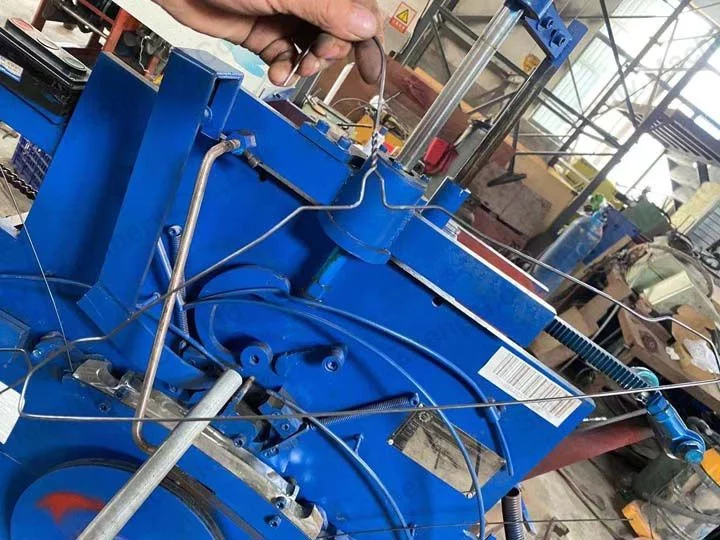
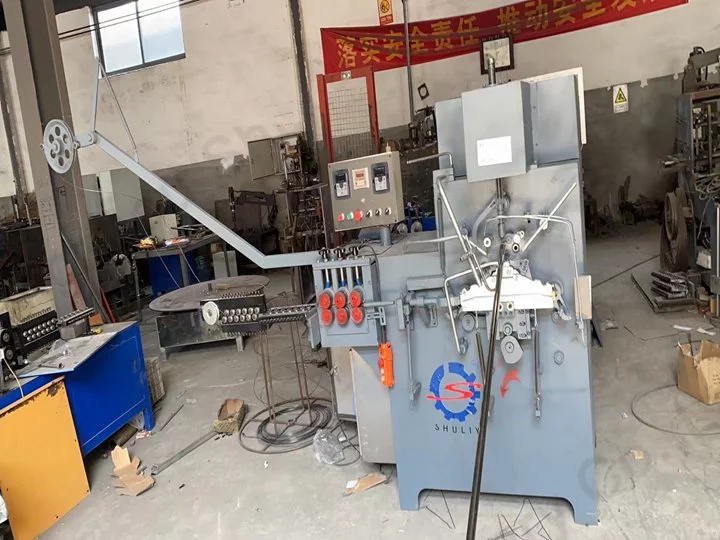
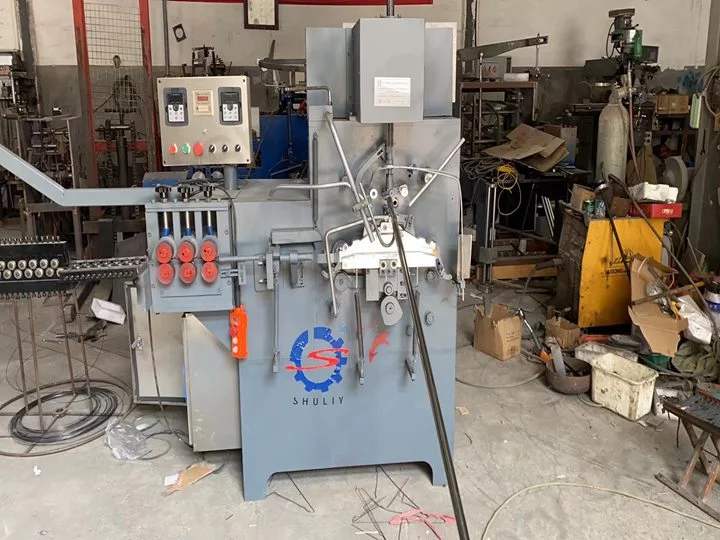
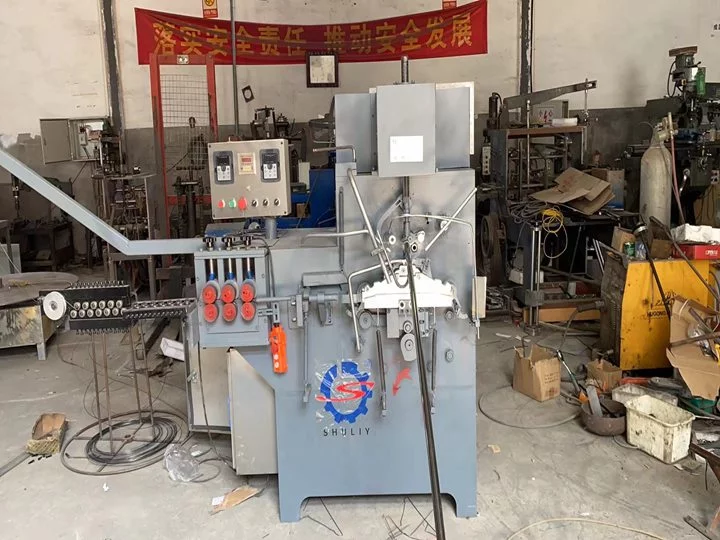
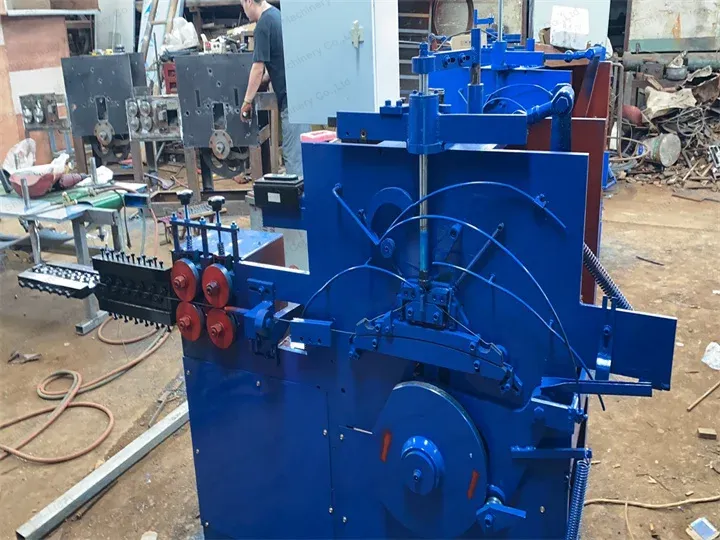
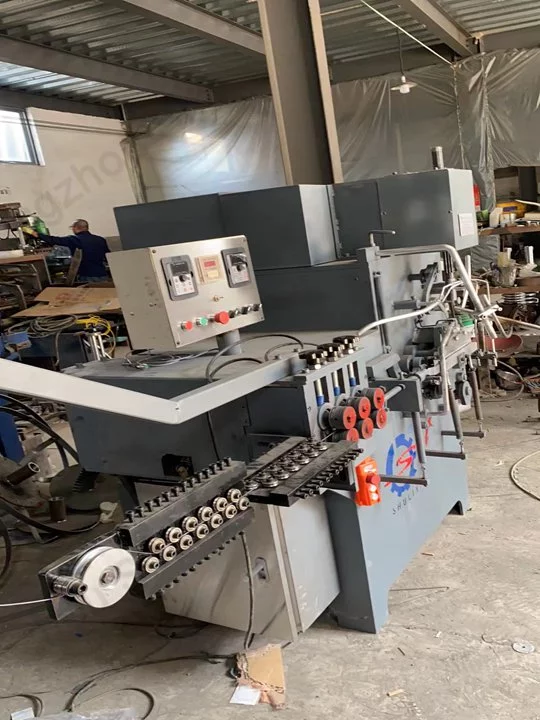
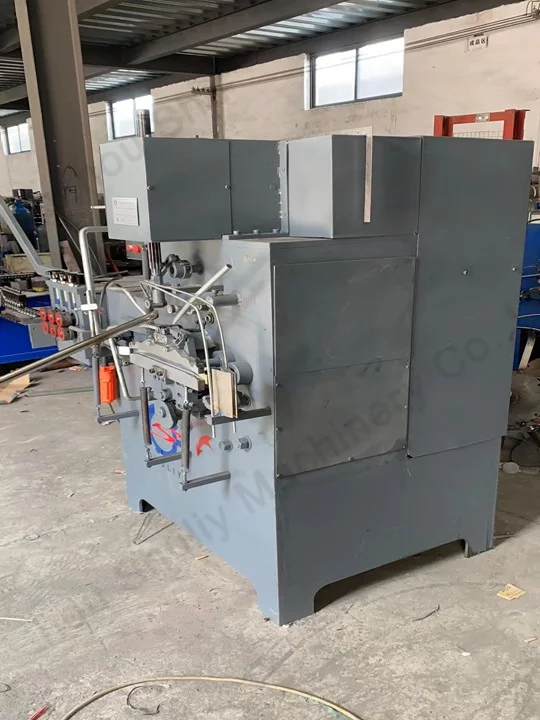
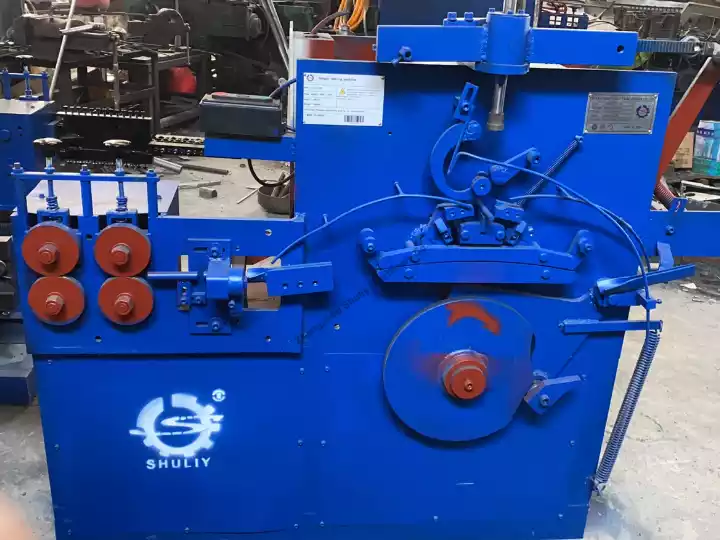
Today, many manufacturers use a butterfly hanger making machine to automate the wire feeding, bending, forming, and cutting processes.
Automation offers several benefits:
- Higher daily production
- Consistent hanger dimensions
- Lower labor costs
- Reduced material waste
- Faster order fulfillment
These improvements help businesses remain competitive, especially when serving wholesale customers and export markets.
Expanding Market Opportunities
Butterfly hangers are not only sold to local clothing stores. They are also exported to many countries where the retail, hospitality, and laundry industries continue to expand.
Manufacturers can supply products to:
- Supermarket chains
- Fashion brands
- Clothing exporters
- Online retailers
- Hanger distributors
With multiple sales channels available, businesses have greater flexibility to reach different customer groups.
Factors That Affect Profitability
Like any manufacturing business, profitability depends on several factors, including:
- Local labor costs
- Wire material prices
- Production capacity
- Equipment efficiency
- Product quality
- Customer demand
Factories that invest in efficient production methods are generally better positioned to reduce operating costs and increase production output over time.
Is It Worth Investing?
For businesses looking to enter the hanger manufacturing industry, butterfly hangers offer an attractive combination of stable demand, relatively low production costs, and scalable manufacturing.
As order volumes grow, automation becomes increasingly important for maintaining quality and improving efficiency.
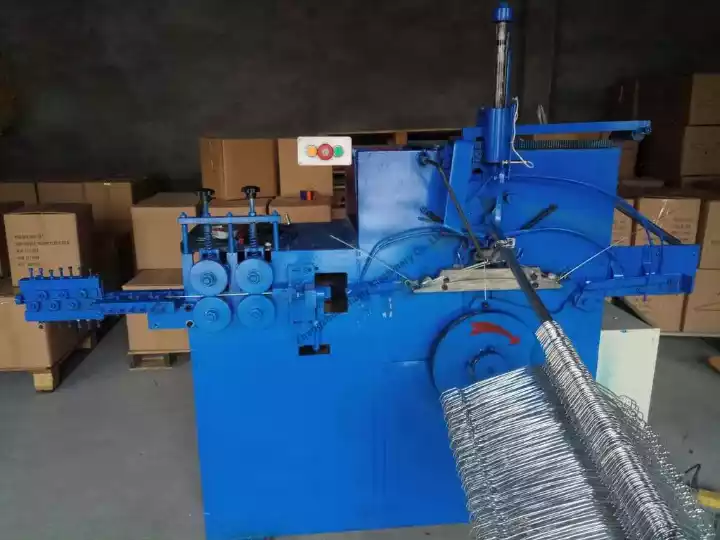
Many manufacturers choose to upgrade to a butterfly hanger making machine to support continuous production, reduce manual labor, and meet the needs of larger customers.
If you are considering starting or expanding a hanger production business, understanding the role of modern manufacturing equipment can help you build a more productive and profitable operation.